
Uncategorized
Cooking with Dried Mushrooms
By Culinary Corespondant, Mike Tangedal.
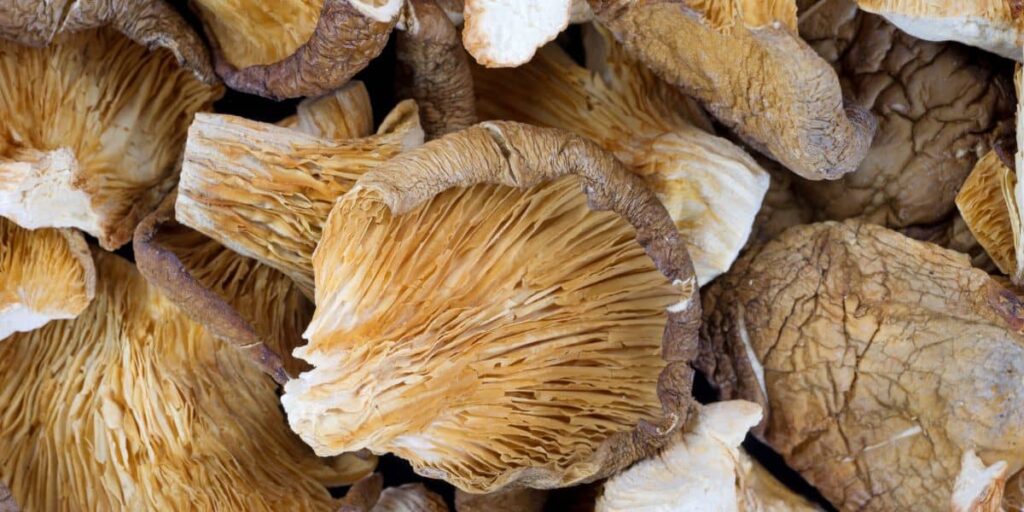
Drying and cooking with dried mushrooms doesn’t require too much technology or expertise, which is why it has been practiced for thousands of years. Simply place some freshly picked mushrooms where there is lots of air circulation so they will dry out before they spoil.
Now we can use modern appliances like a dehydrator that quicken the process but if you had a set of mesh baskets in some sunny dry weather, you’d be just as good to go. Once dried, place the mushrooms in an airtight container until you need them.
Not All Mushrooms Dry Well
Before I embark on how to cook with dried mushrooms, it is important to note that not all edible mushrooms are good for drying. If you find Coprinus sp. (shaggy mane), for example, you will need to prepare and consume them within hours of harvesting them, lest they deliquesce. The best mushrooms for drying are those that are least fibrous while also being substantive. Many people dry medicinal mushrooms for the purposes of grinding them into a powder and using them in teas and tinctures, that’s a topic for another time. I’m here to talk about cooking with dried mushrooms.
Drying Is Not Cooking
Another point that must be emphasized is this: DRYING IS NOT COOKING. One simply does not rehydrate mushrooms and then add them to a dish. All mushrooms worth rehydrating for cooking purposes contain a substance called chitin. Our human stomachs lack the enzyme to digest chitin so it’s quite important to thoroughly cook mushrooms after you rehydrate them.
Rehydration is the first step to cooking with dried mushrooms. It’s ridiculously simple and yet fraught with wildly varying opinions from mushroom enthusiasts. As you would suspect, the dried mushrooms are placed in water until they are tender, again.
How Much Should You Wash Your Dried Mushrooms?
Here’s where the debate begins. One topic of hot debate is how much to wash the dried mushrooms before using them. Some insist on a thorough and elaborate process of scrubbing reconstituted mushrooms with salt and flour until washing provides no staining residue indicative of dirt or other foreign material. Others forego any step other than adding water. To settle this debate, consider the source of the dried mushrooms. If they are mushrooms that you harvested and dehydrated, you will know how well you cleaned them already.
How Clean are They?
If you purchased them from the store then you can assume a certain degree of cleanliness. Mushroom cultivation in Asia is big business and the growing and harvesting of mushrooms is monitored to a certain degree. Your will find a good selection of dried mushrooms at your local Asian market. Most of the dried, packaged mushrooms I’ve purchased were quite clean, but a few have had significant dirt, especially where the stem had been pulled from the substrate. So inspect your dried mushrooms for dirt and wash as needed.
How Much Water to Use?
The next topic of debate once the mushrooms are clean is how to best rehydrate. How much water to use; how to ensure the mushrooms are soaking in the water; how long to soak them? Because there is no definitive answer, I rely on the practical approach.
Just soaking your dried mushrooms in a bowl of warm water for a few hours will solve about 90% of issues. They’re quite a simple food and soak up water readily to regain their once-fresh rigidity. However, this simple approach leaves a lot of questions unanswered. Are you going to use the water they’re soaking in, later? Are the mushrooms floating on top as tender as those on the bottom? How long is too long to soak? The answers to these questions usually depend on the type of dried mushroom. It is best to first place the mushrooms in a bowl and then add just enough water to cover them when submerged. Then, add a smaller bowl inside the other bowl to ensure all the dried mushrooms are under water. This solves one problem and leads to potential use of the resulting water.
As to whether or not to use the soaking water to flavor rice or as a stock in some later dish, consider whether the raw mushroom had a pleasant taste. Many mushrooms vary widely in their taste from raw to cooked but of those that are pleasant when raw (morel, porcini, hericium) I would recommend saving the soaking water for later.
How Long to Soak Your Dried Mushrooms
How long to soak dried mushrooms is the most hotly debated question of all. Of the nine varieties I tested, all were quite rehydrated within minutes. Of course, this depends on the type and size of the mushroom. One wouldn’t expect a dried laetiporus sp. (chicken of the woods) shelf the size of a dinner plate to be fully rehydrated in a few minutes. Also some species leach out a lot more flavor upon soaking. Dried shiitake mushrooms are quite popular and those tend to strongly flavor the water more than others. Whether this leaching makes the resulting mushrooms taste better is also a manner of opinion.
Let’s Rehydrate!
I visited my local Asian market which sells lots of dried mushrooms. I found 8 different varieties, though it looked like more since you could find the same type of mushroom sold by assorted companies with wildly varying prices. Upon close inspection, one dried shiitake looked the same as the next. I checked to see if the dried mushrooms costing twice as much had anything special about them to validate the price but no – just a bag of dried mushrooms. So perhaps even more fodder for debate.
Once I rehydrated a sample of each type of mushrooms, as well as some dried
morels from my own collection, I decided to see which tasted the best when cooked. I cooked them all the same way – a quick stir fry in a wok with some neutral oil and then added a bit of soy sauce. Mushrooms need a bit of fat and salt to come into their own.
